Animation studios to know in the UK
The UK is home to animation studios making everything from character-led films and children’s series to brand campaigns and interactive experiences. Here are six of the best animation studios to explore, including Aardman, Move Animation Studio, Blue Zoo, Buff Motion, Moth and PASSION.
Each brings a different mix of design, storytelling and production experience. Below are examples of their work and the types of project they are worth considering for.
Aardman — Bristol
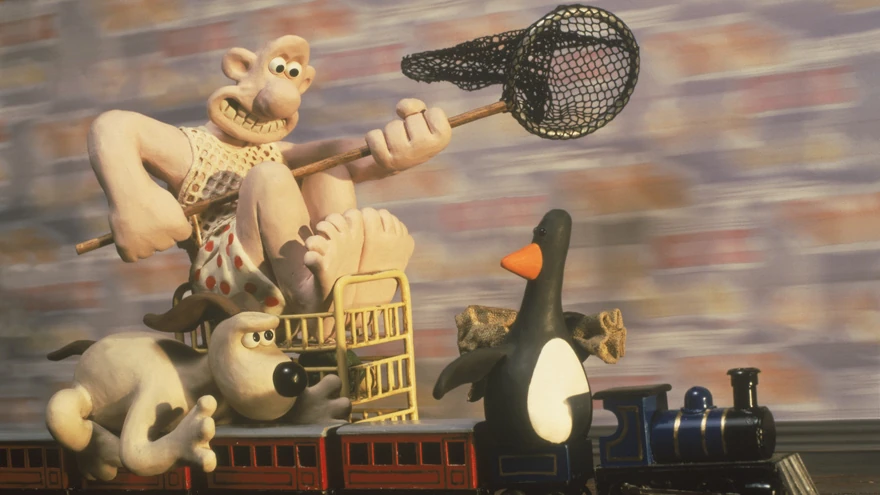
Aardman are a Bristol animation studio whose work includes Wallace & Gromit and a wider portfolio of films, television and commercial projects. Character, humour and physical performance sit at the heart of their work, making them a strong name to consider for stories with a distinctive personality.
Wallace & Gromit is a good introduction to their storytelling: expressions, pauses and carefully staged action do much of the work. For a brand project, their commercial portfolio is the more useful next stop, particularly if stop-motion is part of the idea.
A good fit for: character comedy, stop-motion and entertainment-led storytelling.
Move Animation Studio — Brighton
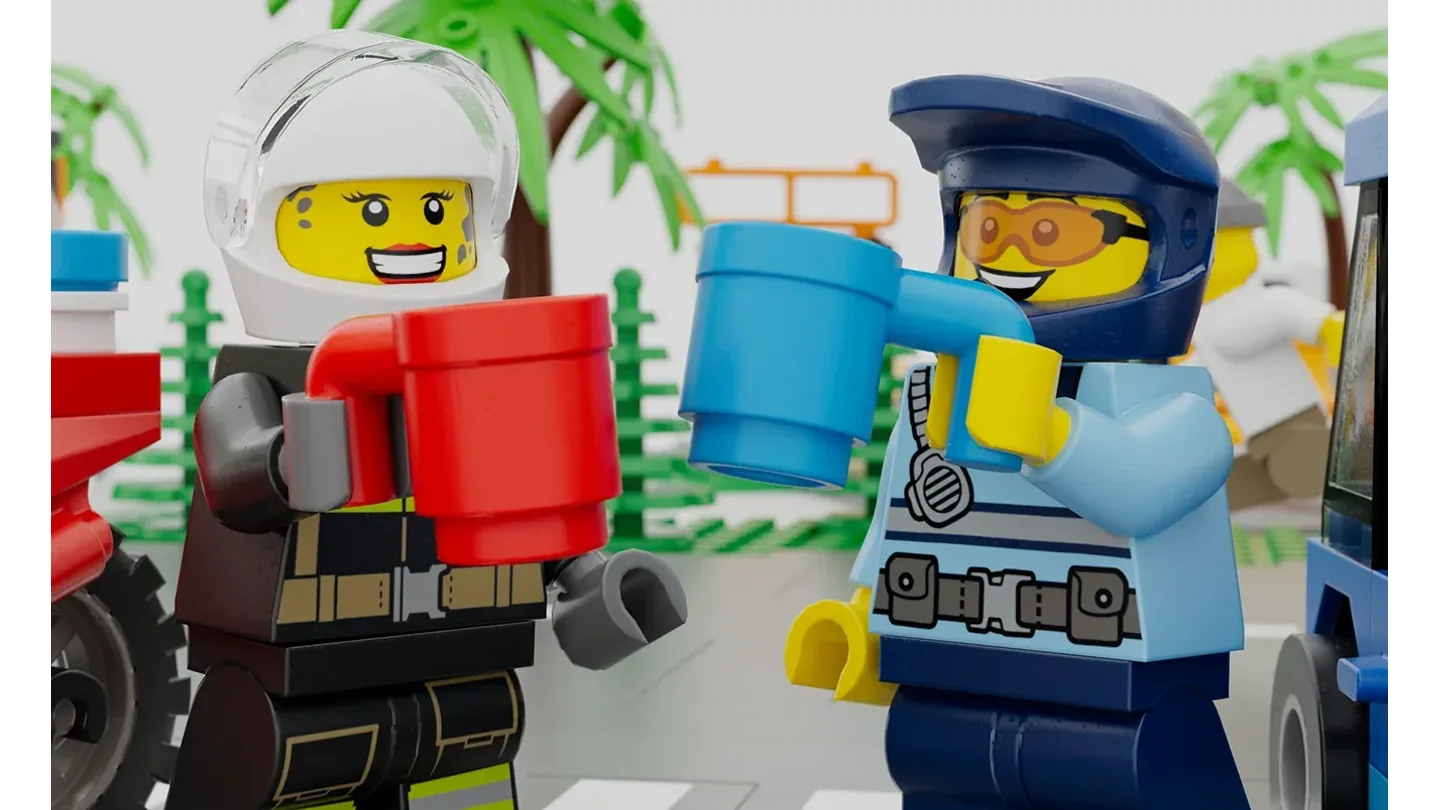
Move Animation Studio are based in Brighton and create 2D and 3D animation for brands, entertainment and interactive projects. Their services span early concept development, design and production, making them a good option for clients who need help shaping an idea as well as producing the finished film.
Magic Maia showcases their character design and world-building, while LEGO City demonstrates a different application through an interactive experience. The range is useful for briefs where the most suitable animation technique has not yet been decided.
A good fit for: character-led stories, brand animation and projects that need creative development from the outset.
Explore LEGO City · See Magic Maia · Meet Move Animation Studio
Blue Zoo — London
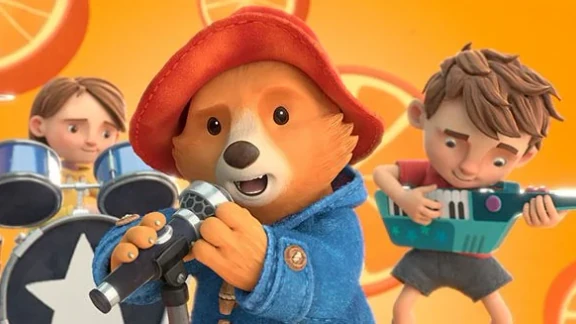
Blue Zoo are a London animation studio working across television, advertising and character entertainment. Their portfolio makes them a strong option to explore for productions built around a recurring cast, particularly films and series for children and families.
The Adventures of Paddington, animated for StudioCanal, is a useful example of their 3D character work. For a commission, the relevant question is how the studio would adapt that production experience to the length, audience and scale of the proposed project.
A good fit for: character-led 3D, family entertainment and episodic production.
Buff Motion — Brighton
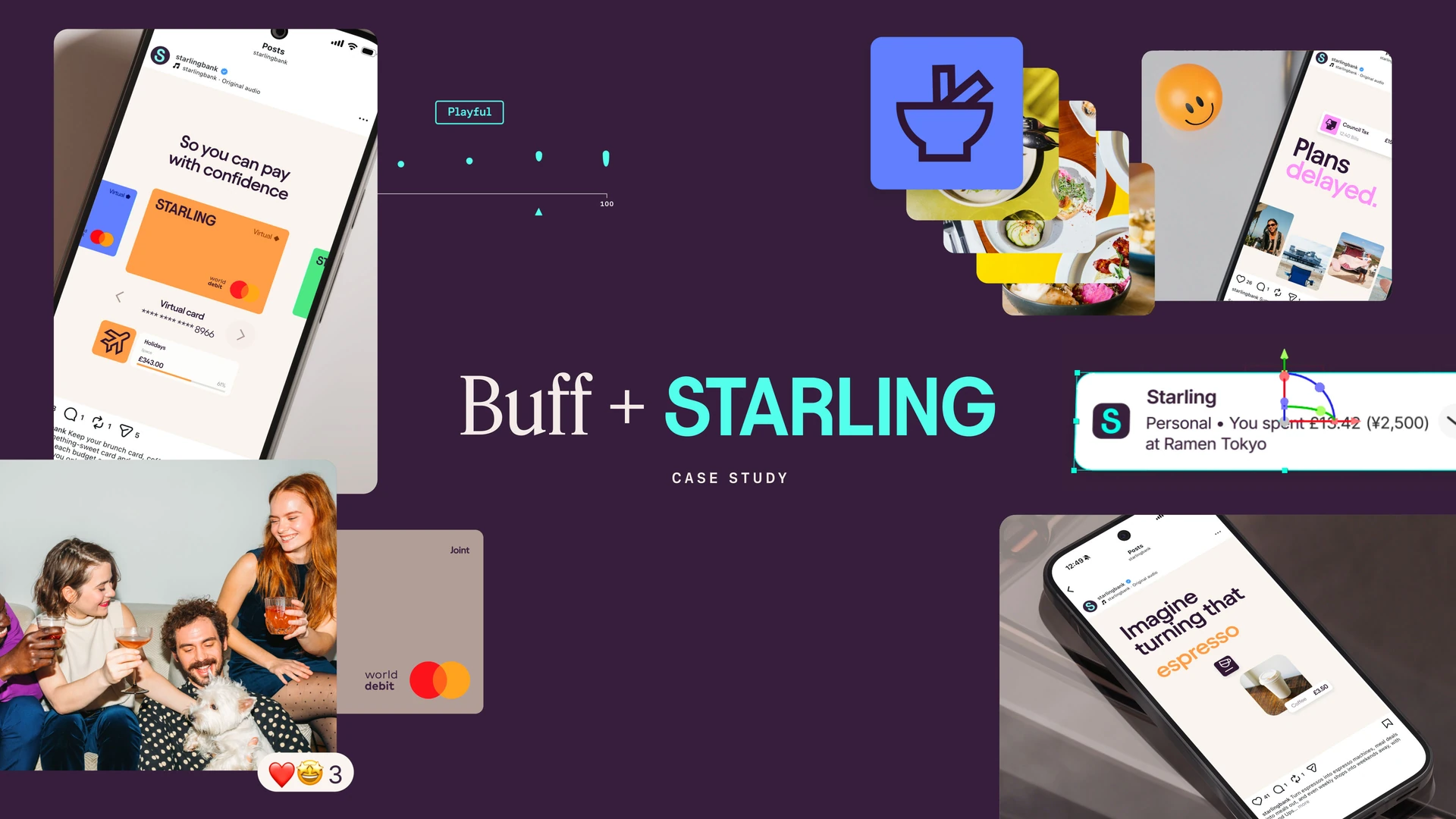
Buff Motion are a Brighton studio specialising in motion design for brands and agencies. Their portfolio is particularly relevant to businesses that need several pieces of animation to feel connected, from individual campaign films to a broader moving identity.
The Starling project demonstrates that approach through a motion framework used across a collection of product films. It is a helpful example for a brand with several messages to explain while keeping the same visual personality throughout.
A good fit for: graphic motion, brand campaigns and consistent animation across multiple formats.
Moth — London
Moth are a London animation studio with a portfolio spanning illustration, character and motion design. Their work is worth exploring when the look of a film needs to be developed alongside the story, rather than added after the script is finished.
CNN: Blue, made with CNN and Dr James Fox, shows an illustrated approach to an editorial subject. It offers a useful reference for organisations looking to turn information into visual storytelling, with a clear design language connecting the sequence.
A good fit for: illustrated storytelling, editorial animation and films with a distinctive design approach.
PASSION — London and international teams
PASSION are an animation production company with a London team and international operations. Their director-led portfolio covers a range of approaches across commercials and series, making them a useful team to explore different visual treatments for a substantial animation brief.
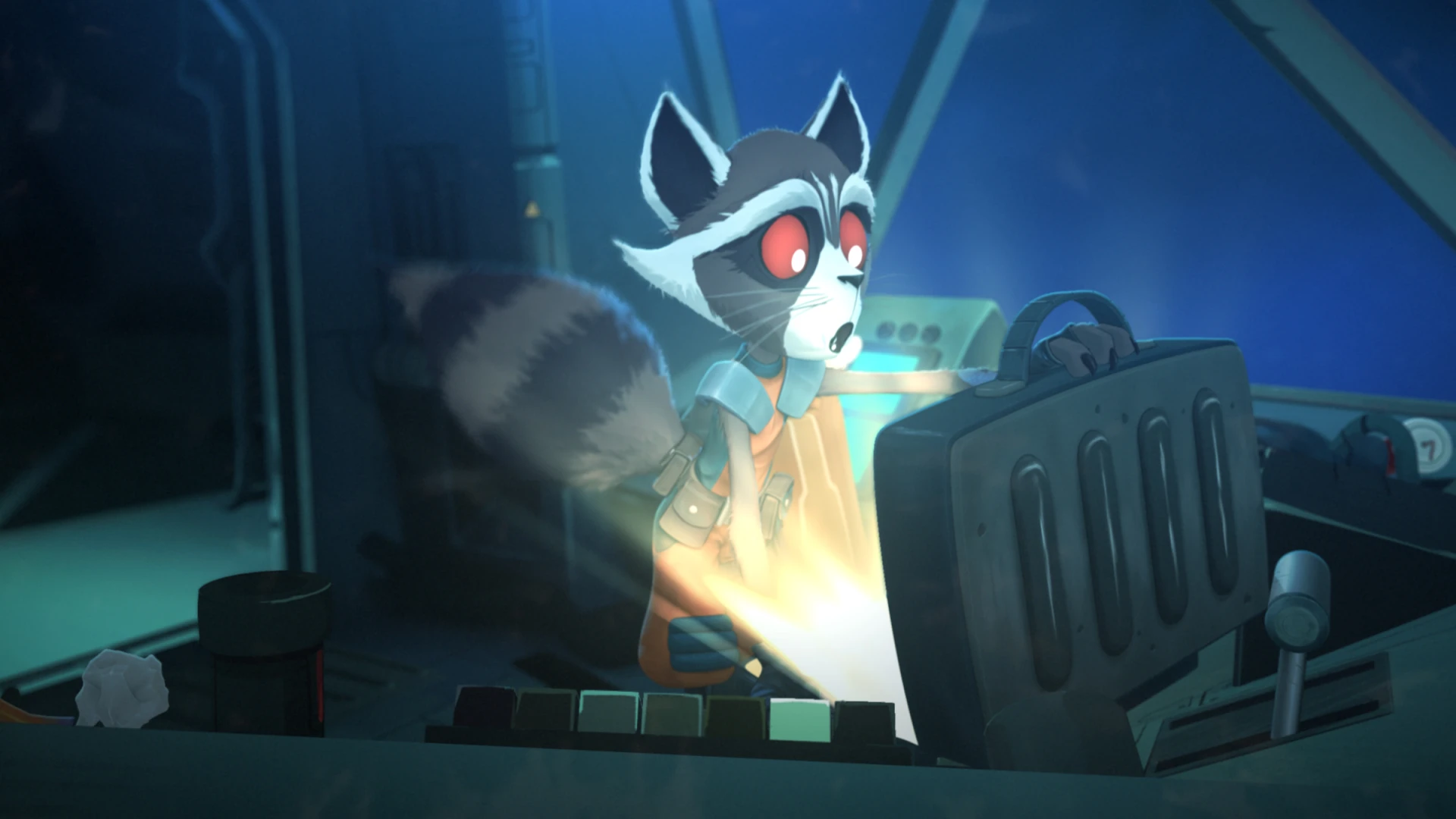
Rocket & Groot is one example of their character work. The project credtheir name several contributing studios, including Passion Animation Studios, Passion Paris, Blue Spirit and Fortiche. As with any multi-studio production, ask which director and team would be attached to a new commission.
A good fit for: director-led animation, character entertainment and projects needing an established production setup.
How to choose an animation studio
Start with complete films, not just a showreel. A reel helps you spot a style you like; a finished project shows whether the studio can sustain a story and get a message across. Look for work with a similar audience or communication challenge to yours.
Then consider how much support you need. Some clients arrive with an approved script and designs. Others need a team to develop the idea, write the script and decide how it should look. Make that distinction clear before asking for a price.
Send your brief to your top three studios
Once you have found three studios whose work feels right, send each the same project brief. You do not need a finished script to start a conversation, but you do need enough information for them to suggest a realistic approach.
- Purpose and audience: what should people understand, feel or do after watching?
- Format: where will it appear, how long should it be and which versions will you need?
- Starting materials: share any script, brand guidelines, existing artwork and a few useful references.
- Budget and timing: give a realistic budget range, the intended launch date and any fixed approval deadlines.
- Scope: explain whether you need help with the concept, writing, design, animation, voice-over or sound.
Compare the proposals, then meet the team
Ask each studio to explain their approach, the people involved and what the quote includes. Compare the scope before comparing the totals: one proposal may include writing, sound and several versions, while another covers only the main animation.
An introductory call is a chance to see whether the team understand the problem and explain their thinking clearly. Ask what they need from you, who collects feedback and what happens if the brief changes. The right fit should feel like a productive working relationship, not just an impressive portfolio.
- Check the review stages and how many rounds of changes are included.
- Confirm the final files, versions, usage rights and any editable assets you expect to receive.
- Ask for a schedule that includes time for your team to review and approve the work.
- For an unfamiliar visual approach, discuss a small paid design or animation test before committing to the full production.