Say what is not working and why
“Make it pop” can mean a colour change, a faster pace, a clearer message or a stronger emotional moment. Explain the underlying concern instead. “The audience may not understand that this is the same character” gives a team a specific problem to solve without prescribing the only answer.
Use the brief as the reference point. A note about tone is more useful when it relates to the audience and purpose than when it reflects an isolated personal preference. You can still describe what you feel; explain which moment caused that response and what you expected instead.
Match the note to the stage
At concept stage, discuss the idea and direction. At storyboard stage, discuss the sequence and whether the story reads. At animatic stage, timing becomes concrete. Later, the team may be refining performance, lighting and finishing. Large changes are possible, but they have different consequences as work develops.
A rough drawing is not intended to demonstrate final surface quality. Equally, a beautifully rendered image should not distract from an unresolved story issue. Ask what the review is intended to approve so that everyone focuses on the decisions that matter now.
Make notes easy to act on
For a film, include a timecode and identify the action or line you mean. For artwork, name the version and image. Gather comments from your team into one set, resolving contradictions before sending them. “Please make the character both more restrained and more energetic” is difficult to interpret without a clearer hierarchy.
Distinguish required changes from questions and suggestions. A factual correction has a different status from “could we try another expression?” That distinction helps the studio allocate time and explain any effect on the agreed scope.
Keep the conversation open
Sometimes the best answer is a different solution from the one you imagined. A concern about speed might be resolved by simplifying the composition rather than shortening a shot. Give the creative team room to respond, and ask them to explain the reasoning if it is not obvious.
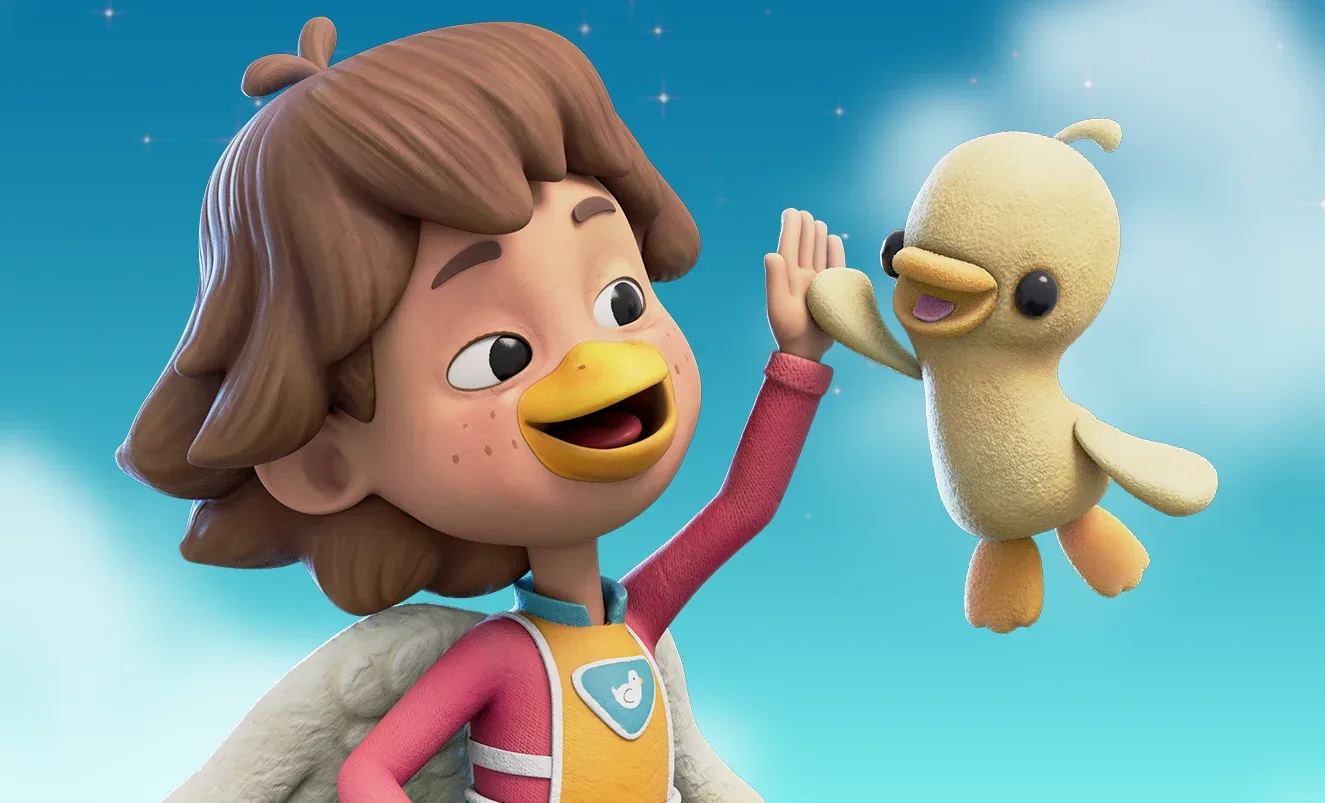
Magic Maia’s design explores both everyday warmth and dream-world confidence. Feedback on a character like that should consider whether the two versions feel related, not simply which costume someone likes most. Context makes the discussion more productive.
Before pressing send, reread the notes as someone encountering them for the first time. Are the affected moments identifiable? Is the priority clear? Can the team understand the intended result? A little care in feedback gives the production more time for craft.