The animation is only one part of the schedule
A finished film can make a lot of work feel effortless. Before the characters move, someone has worked out what they are doing, why they are doing it and how the audience will follow. Scripts, designs, storyboards and animatics are all part of the journey. After the movement comes lighting, compositing, sound and finishing, depending on the technique.
There is no reliable universal timetable based on seconds of screen time. A short film with unfamiliar characters and a new visual style may need more development than a longer piece built from an established system. The right schedule reflects the project, the team and the decisions still to be made.
Work backwards from delivery
Start with the date the finished files are needed, not just the campaign launch. There may be time required for uploads, technical checks, localisation or a broadcaster’s delivery process. Then identify the points at which the idea, script, design and timing need to be approved.
Those checkpoints make the schedule understandable. They also reveal where a delay will matter. A late logo update may be straightforward; a new story direction after animation has started is a different kind of change. The aim is to make that distinction clear before everyone is under deadline pressure.
Feedback takes time too
Agree who is reviewing the work and who can make the final decision. Several people may need to contribute, but it helps when the studio receives one coordinated set of notes. Conflicting comments and separate approval chains can consume time that was intended for production.
Allow time to watch an animatic properly rather than treating it as a quick administrative step. Even with rough images, it can reveal whether a moment is too long, a message is unclear or a scene is missing. Resolving those issues early gives the later stages a firmer foundation.
A shorter schedule needs different choices
If the delivery date cannot move, scope may need to. An established design language, fewer scenes, a tighter script or limited versions can make a project more manageable. Skipping all planning is rarely the useful shortcut: it moves unresolved decisions into more expensive stages.
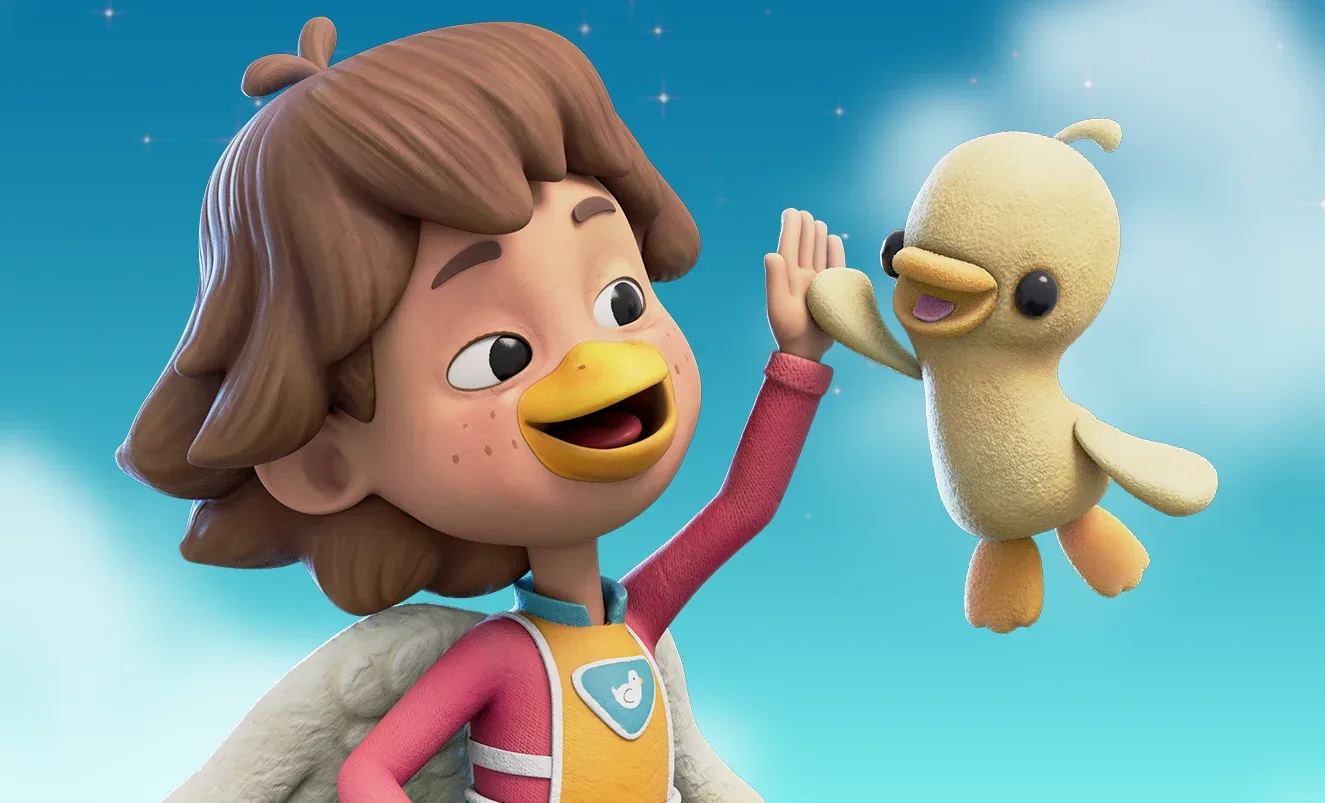
Magic Maia shows how character and world development belong together. Her everyday personality, dream-world costume and relationship with Ducky need to feel connected. That kind of development has a different rhythm from adapting existing graphics for a short event sting.
When you contact a studio, share the deadline and explain what is fixed and what is flexible. Ask for a schedule with review points, dependencies and delivery requirements. A believable plan gives the team space to make good work and gives you a clear view of what needs to happen next.