Animation studios to know in Brighton
Looking for the best animation studios in Brighton? The city has teams working across brand films, motion graphics, children’s entertainment and interactive animation. Box Studio, Move Animation Studio, Brighton Zoo, Buff Motion and Cub Studio are all worth exploring.
The list below looks at what each studio does, examples of their work and where they could fit your brief. Whether you want a local creative partner or simply like the work coming out of Brighton, there is a varied mix to choose from.
Box Studio — Brighton
Box Studio are based on the Old Steine in Brighton. Their portfolio includes brand communication, educational films and animation that explains technical or complex subjects. They are a useful option for organisations that need the audience to understand a process, service or important piece of information.
Shell: Safety at Sea is an example of their communication work. Alongside the studio’s educational projects, it gives prospective clients a starting point for discussing how animation can make detailed subject matter easier to follow.
A good fit for: explainers, educational content and internal or technical communication.

Move Animation Studio — Brighton
Move Animation Studio are based at 5 Bartholomews in central Brighton. They work across concept development, design, 2D and 3D animation, and interactive experiences, offering a route from an early idea through to a finished production.
Their Magic Maia project is an example of character design and world-building, while LEGO City shows how animation can become part of an interactive experience. Move are a good option for clients who want creative input on both the message and the way it is brought to life.
A good fit for: brand storytelling, character animation and briefs that need both creative development and production.
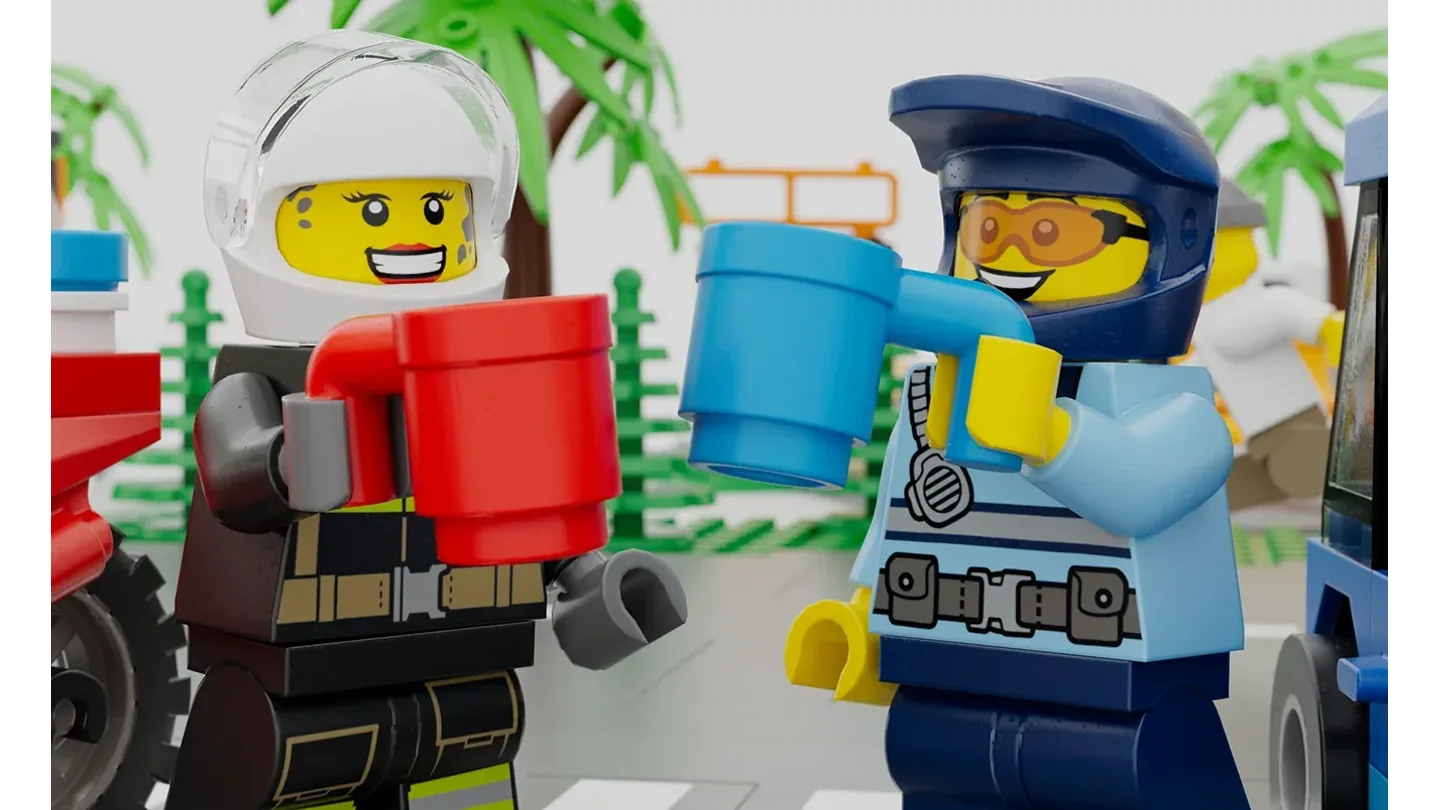
Explore LEGO City · See Magic Maia · Meet Move Animation Studio
Brighton Zoo — Brighton
Brighton Zoo are part of the Blue Zoo group, with a portfolio covering animation and interactive content. Their focus on young audiences makes them a relevant studio for children’s entertainment and projects intended for digital platforms.
Their animation portfolio includes Supertato Series 1 & 2. The wider work is useful for comparing longer character stories with shorter digital formats, especially when a project needs to engage children across more than one type of screen.
A good fit for: children’s content, digital entertainment and interactive projects for young audiences.
Buff Motion — Brighton
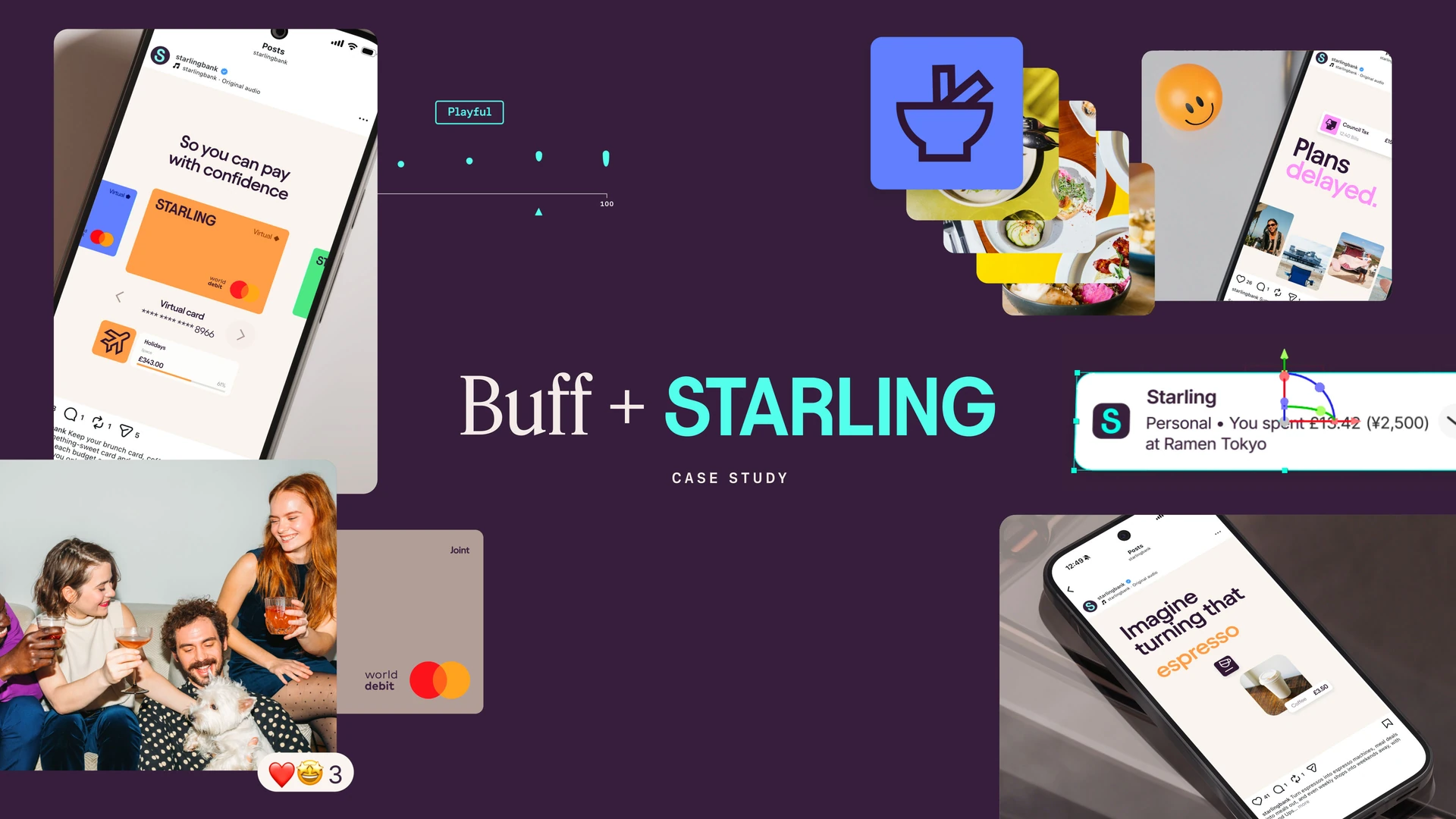
Buff Motion are a Brighton studio specialising in motion design for brands and agencies. Their portfolio is particularly relevant to businesses that need several pieces of animation to feel connected, from individual campaign films to a broader moving identity.
The Starling project demonstrates that approach through a motion framework used across a collection of product films. It is a helpful example for a brand with several messages to explain while keeping the same visual personality throughout.
A good fit for: graphic motion, brand campaigns and consistent animation across multiple formats.
Cub Studio — Brighton
Cub Studio are a Brighton animation studio founded by Fraser Davidson and Ben Skinner. They create character animation and motion graphics for brands, broadcasters and sports organisations, with clients including the Premier League, ESPN, World Rugby and MasterClass.
Their sports portfolio includes Formula 1, Premier League VAR and guides to different sports. That experience makes them a good studio to consider when a film needs to explain an unfamiliar subject while keeping the audience entertained. Their wider work also covers brand characters and product animation.
A good fit for: sports content, expressive character animation and engaging explanations.
Do you need a Brighton-based studio?
A local studio can make it easier to meet for an initial workshop or review designs together. That can be valuable when several people need to agree on the direction, or when the brief is still taking shape.
Location is only one part of the decision. Ask who will handle the project, how feedback is organised and whether in-person meetings would be useful. Choose a team whose work suits the brief, then decide how best to collaborate.
Send your brief to your top three studios
Once you have found three studios whose work feels right, send each the same project brief. You do not need a finished script to start a conversation, but you do need enough information for them to suggest a realistic approach.
- Purpose and audience: what should people understand, feel or do after watching?
- Format: where will it appear, how long should it be and which versions will you need?
- Starting materials: share any script, brand guidelines, existing artwork and a few useful references.
- Budget and timing: give a realistic budget range, the intended launch date and any fixed approval deadlines.
- Scope: explain whether you need help with the concept, writing, design, animation, voice-over or sound.
Compare the proposals, then meet the team
Ask each studio to explain their approach, the people involved and what the quote includes. Compare the scope before comparing the totals: one proposal may include writing, sound and several versions, while another covers only the main animation.
An introductory call is a chance to see whether the team understand the problem and explain their thinking clearly. Ask what they need from you, who collects feedback and what happens if the brief changes. The right fit should feel like a productive working relationship, not just an impressive portfolio.
- Check the review stages and how many rounds of changes are included.
- Confirm the final files, versions, usage rights and any editable assets you expect to receive.
- Ask for a schedule that includes time for your team to review and approve the work.
- For an unfamiliar visual approach, discuss a small paid design or animation test before committing to the full production.