A film before the finished film
An animatic is a sequence of storyboard images arranged in time. It may include temporary dialogue, sound effects or music, and it may use simple moves between panels. Its job is to test the structure and rhythm before the production commits to detailed animation.
Think of it as a working version of the viewing experience. It does not promise the final drawing quality, lighting or movement. It does show how long a scene lasts, when information arrives and how the sequence feels from beginning to end.
Watch once without stopping
The first viewing is valuable because it is closest to an audience’s experience. Watch the whole sequence before collecting individual corrections. What do you remember? Was anything confusing? Did the emotional change or main message come through?
Then watch again with specific questions. Check the order of information, the clarity of actions and the relationship between picture and sound. If a shot only makes sense because someone has explained it in the meeting, the animatic may need another visual cue.
Listen for breathing room
Temporary audio can reveal where a script is overloaded. Viewers need time to understand images as well as words. A line may fit mathematically and still feel too hurried. A pause may allow a joke or reaction to land without adding another sentence.
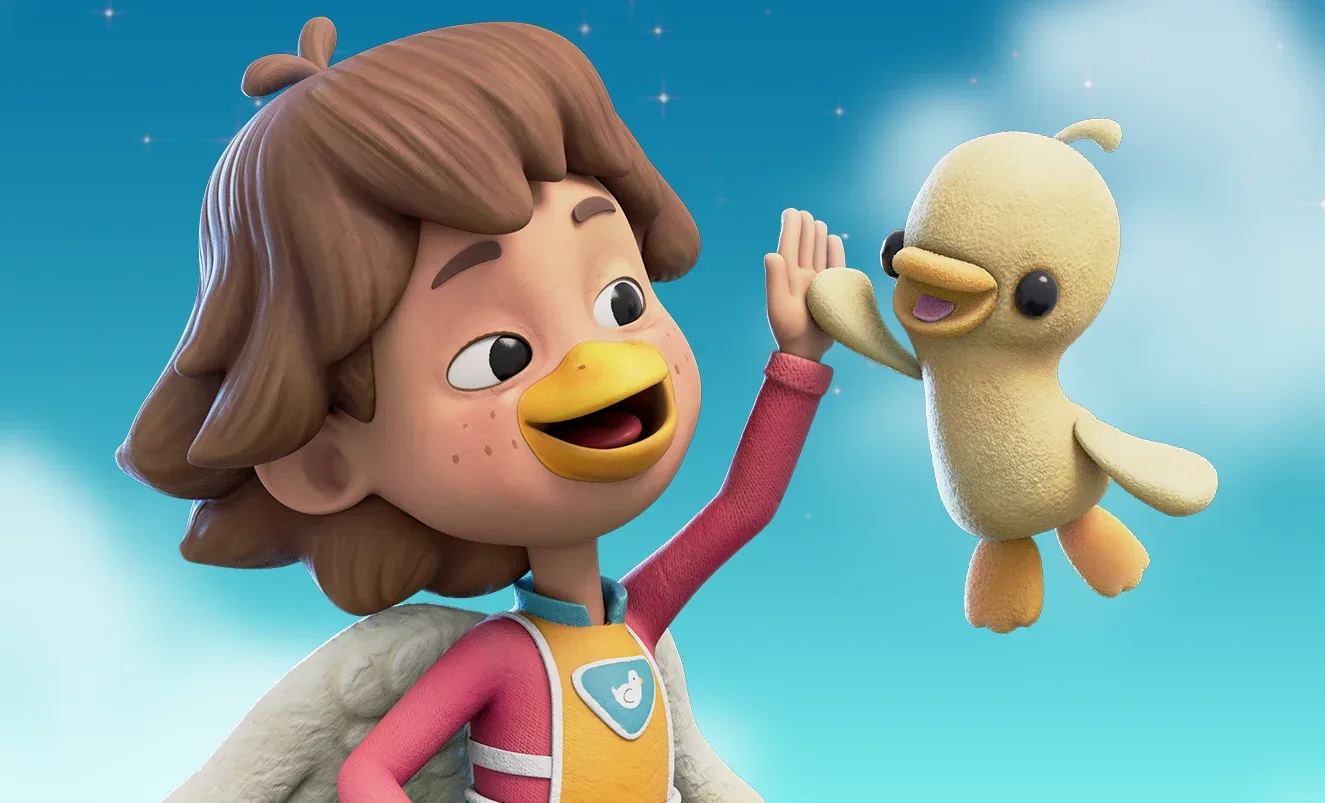
For music-led work, listen to how the story and soundtrack support each other. Bubblegum Pie follows Eddie’s journey through a distinctive world and a chance encounter. A music video can use rhythm to shape that journey, but a cut on every beat is not automatically the strongest storytelling choice.
Give the right kind of approval
At this stage, useful feedback concerns the film’s logic, timing and overall intention. If the character design is already approved, avoid reopening it simply because the rough panels are less polished. If the action is genuinely unclear, say so now; later detail may not solve a structural problem.
Make notes with timecodes and explain what the audience needs to understand. Ask which elements are temporary and which decisions are being signed off. That keeps the review focused and prevents a placeholder from being mistaken for a final choice.
An animatic is valuable precisely because it is unfinished. It allows the team to discover what the film needs while changes are still relatively manageable. Treat it as a creative checkpoint, and it can make the finished production more confident and coherent.