Begin with the feeling of the film
2D and 3D are broad production approaches, not two fixed looks. 2D can be graphic, painterly, restrained or full of expressive character movement. 3D can be richly textured, stylised, flat-looking or close to photographic. Neither is automatically more sophisticated, more affordable or more appropriate.
Start with the audience and the idea. Do you want the warmth of a drawn mark, the clarity of moving diagrams, a believable physical object or a world the camera can explore? Those questions are more useful than choosing a technique because it feels fashionable.
What 2D makes possible
2D animation can build on illustration, typography and graphic design. Shapes can transform freely, scale can shift and a visual metaphor can move from one idea to another without obeying physical rules. That flexibility is especially useful when the subject is abstract or the visual identity already has a strong graphic language.
There is still a wide range of production complexity. Limited movement of a few shapes and fully drawn character animation are different assignments. If a reference film looks simple, ask what is actually moving and how it has been created before assuming it will be quick.
What 3D makes possible
3D creates objects and spaces that can be viewed from different angles. It offers control over cameras, lighting and surfaces, making it useful for physical products, character worlds and some interactive experiences. Once suitable assets exist, they may support further scenes or versions, but that reuse needs planning.
The first production stages can include modelling, rigging and look development before the final animation begins. Those assets are not a shortcut around creative decisions. A model still needs a clear design, and a character still needs a convincing performance.
Use the portfolio to test the choice
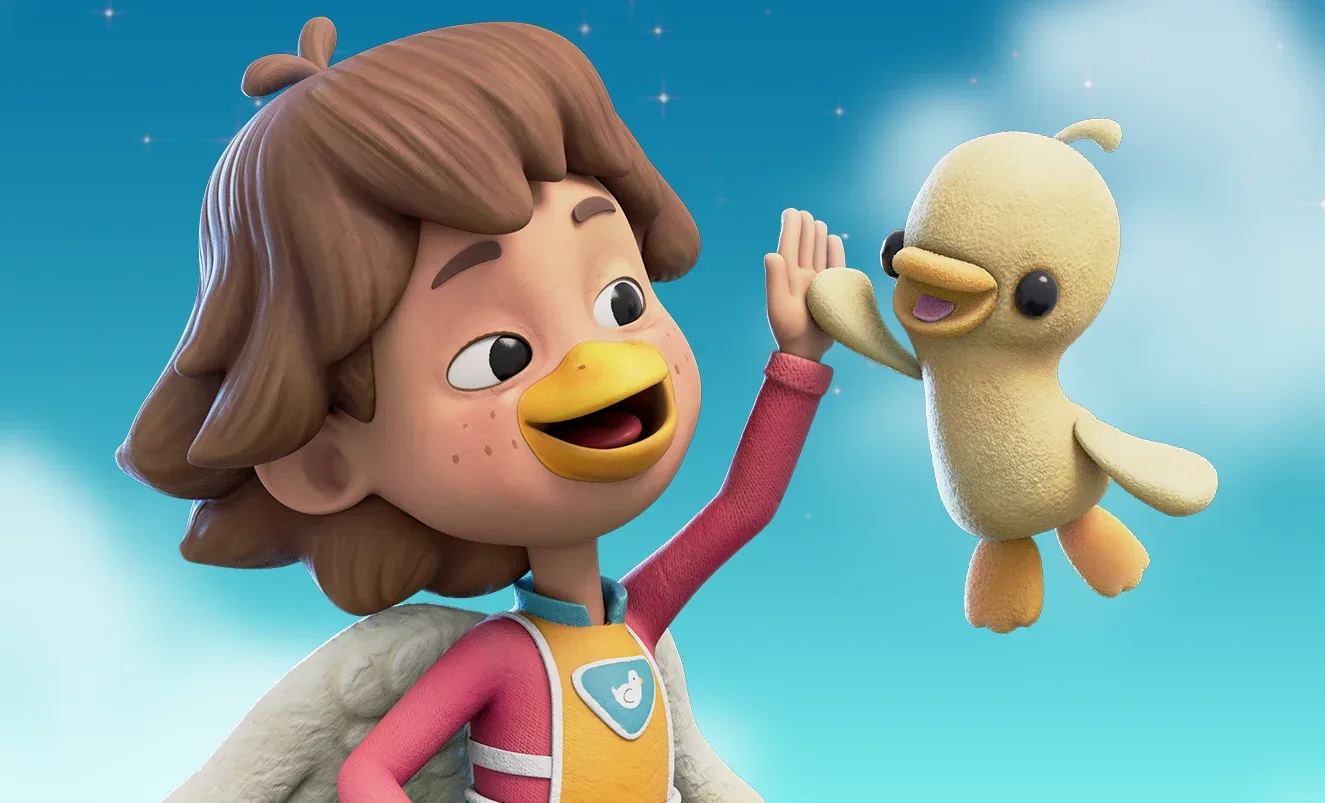
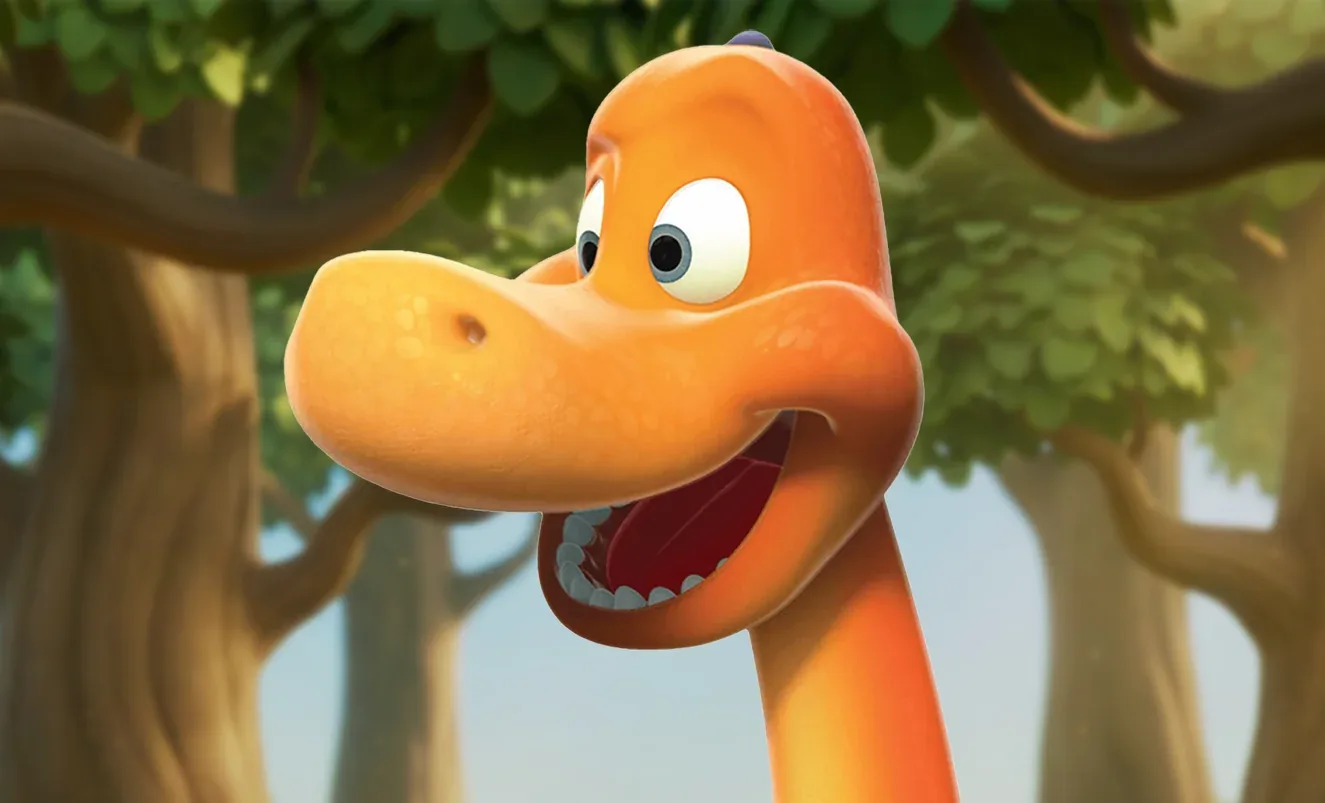
In Move’s work, Spotify’s event graphics offer a bold 2D visual language, while Boy and the Dinosaur uses a stylised 3D world for character storytelling. The contrast is useful because the design supports two different purposes. It does not establish a rule that brands should use 2D or stories should use 3D.
Mixed approaches can also be right. A 3D scene may sit alongside drawn effects or graphic titles. The important question is whether the elements feel like one coherent film.
Share the qualities you want, the assets you have and the delivery needs. Then ask the studio to explain why a particular approach suits them. A good choice balances creative character, production scope and the ways the finished work will be used.